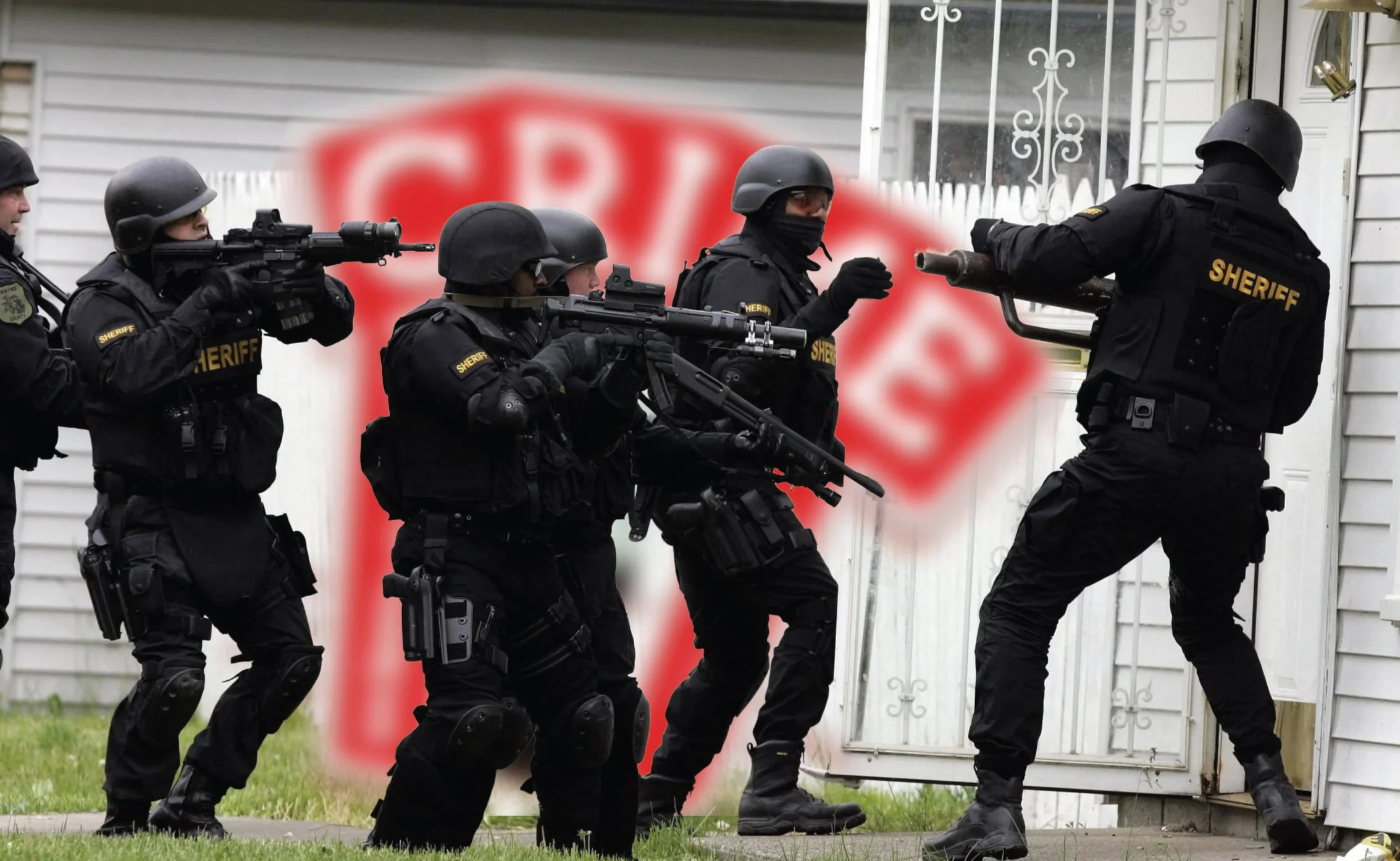
They were casualties in the War on Drugs. Why didn’t their deaths affect changes to the system?
From no-knock warrants and phony police informants to civil forfeiture and international narcotics interdiction, the US war on drugs has affected more than just traffickers. Its highly provocative methods have caused the deaths of innocent bystanders, often with no consequences for those responsible. Animated by decades of political cries stoking fear and anger, police departments have gained more power in their tactics, which look more like combat than law enforcement. And the deaths of people caught in the crossfire are now accepted as necessary sacrifices in the quest for a drug-free America.
In each episode of the podcast “Collateral Damage” from The Intercept, investigative reporter Radley Balko covers an unjust or avoidable death as a result of the government’s questionable enforcement policies and practices. The series distills the war on drugs down to the personal stories of bystanders who lost their lives or livelihood as collateral damage to the dangerous and quixotic goal of saving a nation from itself.
OUR SPOILER-FREE REVIEWS OF "COLLATERAL DAMAGE" BEGIN IN THE FINAL 12 MINUTES OF THE EPISODE.